Necessary Overview to Strapping Machine Repair: Making Sure Optimum Efficiency and Long Life
Strapping machines play a crucial role in packaging and logistics. However, they can encounter different issues that impede their efficiency. Comprehending these common problems and their underlying causes is vital for effective repair service and maintenance. Correct diagnostics and routine maintenance can expand a maker's life expectancy substantially. Several operators forget vital maintenance actions. What are one of the most efficient approaches for guaranteeing these machines run at peak efficiency? The responses might surprise you.
Typical Strapping Machine Issues and Their Reasons
Strapping machines are vital for reliable packaging operations, they can come across numerous issues that interrupt process. Usual problems include misfeeds, where the strap does not feed properly via the device, usually caused by improper positioning or worn parts. Another frequent issue is band damage, which can arise from using the incorrect type of band or too much tension throughout the strapping process. Furthermore, inconsistent seal toughness might take place due to inadequate warm or stress setups, leading to faulty or weak seals. Dirt and debris accumulation can additionally trigger mechanical failings, impeding the device's performance. Operators might likewise experience electrical breakdowns, such as damaged sensors or control failures, which can stop manufacturing. Recognizing these concerns and their underlying causes is necessary for maintaining excellent efficiency and making sure the longevity of strapping machines in packaging procedures.
Crucial Tools for Strapping Machine Repair
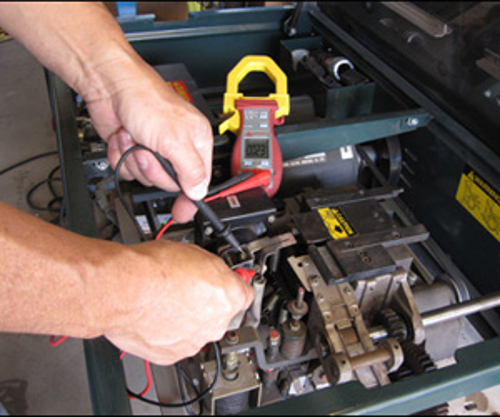
Resolving the usual problems that strapping machines come across calls for the right devices to assure effective repair services and maintenance. Essential tools consist of wrenches, pliers, and screwdrivers, which are vital for dismantling and rebuilding elements. A multimeter is crucial for diagnosing electrical problems, making it possible for professionals to determine faulty links or components. In addition, a torque wrench assurances that screws are tightened up to the producer's requirements, stopping future failures. Lubricants and cleaning up products are necessary for routine maintenance, assuring smooth operation and longevity of the maker. Substitute components, such as electric motors, belts, and sensors, should also be on hand to help with quick repair services. Ultimately, a complete repair manual offers vital advice, aiding technicians browse the complexities of strapping maker fixing efficiently. Employing these tools effectively can substantially enhance the performance and lifespan of strapping machines, minimizing downtime and operational interruptions.
Step-by-Step Troubleshooting Guide
Exactly how can professionals efficiently identify and settle issues with strapping machines? A methodical approach is essential. First, they must recognize the signs and symptoms, such as irregular strapping or maker jams. Next off, specialists ought to assess the individual manual for particular error codes or repairing actions connected to the observed concerns.
Once symptoms are noted, they need to inspect the maker's components, consisting of the tensioner, securing head, and feed system for wear or damage. It's essential to look for correct alignment and any kind of obstructions. After aesthetic evaluations, service technicians ought to examine the electrical links and sensors to assure they are operating properly.
Performing a useful test after each adjustment will aid isolate the issue if troubles continue. Recording each action taken is very important for future referral. Following this structured troubleshooting guide enables technicians to effectively determine the trouble and carry out reliable repair work, consequently boosting machine reliability and performance.
Preventative Maintenance Tips for Durability
Applying a durable preventative maintenance strategy is vital for guaranteeing the longevity of strapping machines. Normal evaluations need to be conducted to determine any kind of signs of wear or damage, concentrating on important elements such as sensors, belts, and rollers. strapping machine repair. Cleansing the maker regularly aids stop particles build-up, which can bring about functional concerns. Lubrication of relocating components is important; using the producer's recommended lubricants guarantees smooth operation and lowers rubbing
Furthermore, drivers need to keep an eye on the equipment's efficiency metrics, keeping in mind any type of abnormalities that may indicate possible troubles. Keeping a comprehensive maintenance log help in tracking solution history and organizing timely interventions. Educating team on correct use and handling can significantly minimize the danger of operator-induced damage. Replacing worn parts proactively, instead than reactively, can lessen downtime and prolong the device's lifespan. Following these preventative maintenance pointers will contribute to optimal performance and toughness of strapping machines.
When to Look For Professional Help
Additionally, when parts show indicators of wear or damage, specialist assessment ends up being crucial to ensure safety and performance. Looking for aid from experienced professionals is suggested if in-house maintenance team lack the know-how or devices to diagnose complex problems. Routine appointments with professionals can also aid in determining prospective troubles prior to they intensify. Eventually, prompt treatment by professionals not only extends the lifespan of the equipment yet likewise safeguards efficiency, ensuring that procedures stay reliable and smooth.
Often Asked Inquiries
Exactly how Often Should I Change the Strapping Machine's Components?
Strapping maker components ought to be changed every 1-3 years, depending on usage and wear (strapping machine repair). Regular examinations and maintenance can assist recognize parts needing substitute sooner, making sure ideal performance and lowering the risk of unforeseen breakdowns
Can I Utilize Different Strapping Materials With My Machine?
Different strapping products can usually be used with a maker, given they meet certain dimension and stress requirements. However, compatibility should be validated to ensure peak performance and prevent possible damages or malfunction.
What Are the Indications of a Getting Too Hot Strapping Machine?
Indications of a getting too hot strapping maker consist of unusual sounds, frequent shutdowns, too much heat originating from components, smoke, and inconsistent strapping top quality. Timely identification of these signs and symptoms is vital for protecting against damages and making sure reliable operation.

Exactly How Can I Boost Strapping Speed Without Compromising Top Quality?
To improve strapping speed without compromising top quality, one can optimize device setups, use high-grade materials, preserve devices regularly, and train operators in efficient strategies, making sure a balance between rate and efficient strapping performance.
Exist Certain Brands Recognized for Better Durability?
Particular brands, such as Signode and Mosca, are renowned for their durability in strapping machines. Their durable building and top quality products commonly result in expanded life expectancies and reputable performance popular industrial settings.
Just how can service technicians efficiently detect and solve problems with strapping machines? They need to determine the signs, such as inconsistent strapping or maker jams. Implementing read more a robust preventative maintenance strategy is important for assuring the durability of strapping machines. Different strapping products can frequently be utilized with a maker, offered they satisfy particular size and tension demands. Signs of an overheating strapping device include uncommon sounds, constant closures, excessive warmth emanating from components, smoke, and irregular strapping top quality.